


California reexamines single-stair housing as part of broader affordability push
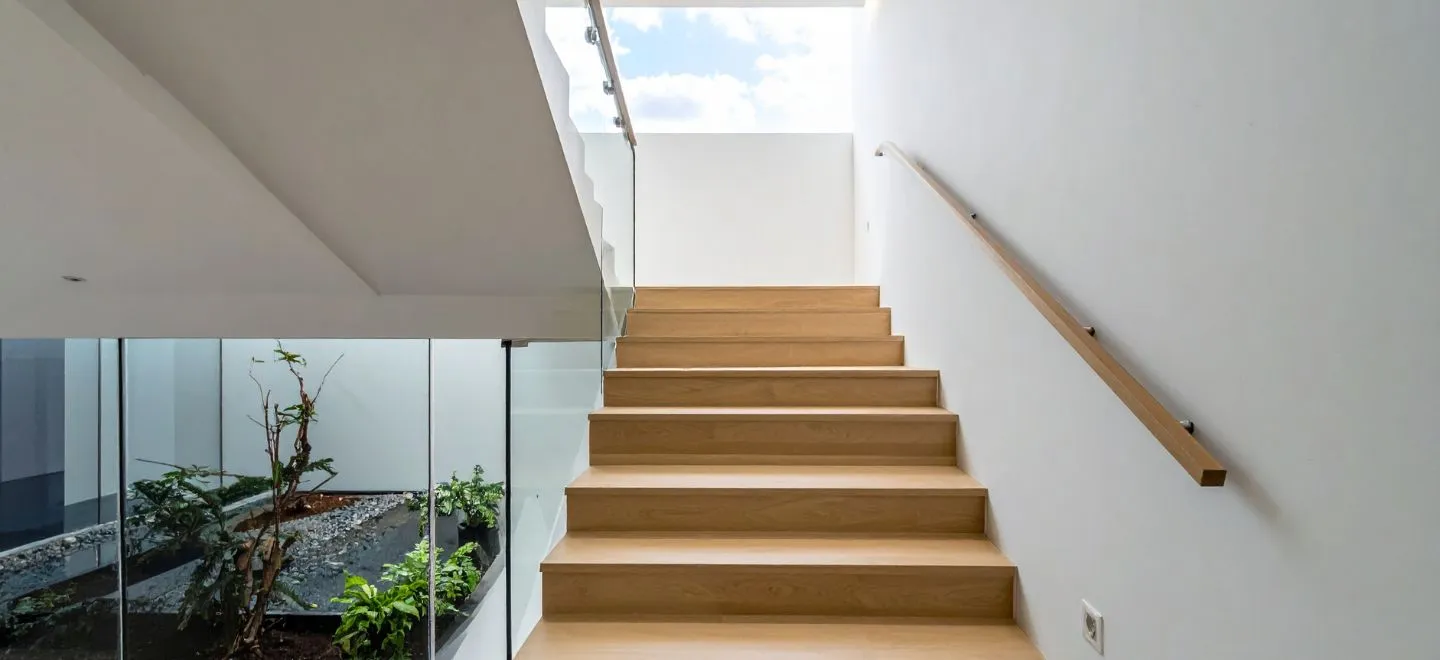
California lawmakers are taking a closer look at whether long-standing building code rules are limiting the state’s ability to produce more housing, particularly smaller and more affordable apartments. One of the most closely watched proposals involves single-stair residential buildings — a design common in many European cities but largely restricted under U.S. fire and building codes.
According to HousingWire, supporters argue that allowing more single-stair buildings could reduce construction costs, make better use of narrow urban lots, and increase the number of family-sized units in walkable neighborhoods. Critics, however, warn that any changes must be carefully evaluated to maintain safety standards.
What Single-Stair Housing Means
Single-stair buildings are multifamily residential structures served by one interior stairwell instead of the two staircases typically required under U.S. codes. This design allows for more flexible floor plans, greater natural light, and more usable living space per floor.
Under current California building and fire codes, single-stair designs are generally allowed only in residential buildings up to three stories. Buildings taller than that are required to have two interior stairways, a rule intended to provide redundant emergency exits (California Building Standards Code; State Fire Marshal guidance). As HousingWire explains, this requirement has shaped most mid-rise housing in California, often resulting in bulkier buildings with double-loaded corridors and fewer family-sized units.
What State Law Actually Changes — and What It Doesn’t
In 2023, California passed Assembly Bill 835, which is often cited in discussions about single-stair housing. However, the bill does not legalize single-stair buildings above three stories. Instead, AB 835 directs the Office of the State Fire Marshal to study whether taller single-stair residential buildings could be allowed safely in the future, and to develop potential safety standards if appropriate (California Legislature, 2023).
According to legislative analyses, the Fire Marshal’s research is expected to inform a future update to the California Building Standards Code, potentially during the 2028 code cycle. Until then, statewide rules remain unchanged.
Local Experiments Draw Attention
Some cities have already begun testing single-stair concepts at the local level. Culver City, for example, adopted an ordinance allowing single-stair apartment buildings up to six stories, provided they meet enhanced safety requirements such as fire sprinklers, limits on unit counts per floor, and additional fire-resistant construction features (HousingWire, 2025).
These local ordinances operate as exceptions, not statewide standards. According to the California State Fire Marshal, cities may pursue alternative compliance pathways, but those approaches do not override state code for jurisdictions that have not adopted similar rules.
Why This Matters for Housing Supply
Housing advocates say the debate reflects a broader challenge facing California: how to increase housing supply without compromising safety. According to the California Department of Housing and Community Development, the state needs roughly 180,000 new homes per year to keep up with demand, far more than current production levels.
Supporters of single-stair reform argue that code flexibility could make it easier to build small-lot apartments, infill housing, and family-oriented units, particularly near transit. Others stress that any change must be backed by rigorous fire safety data and consistent statewide standards (HousingWire, 2025; California Legislature).
What Happens Next
For now, buildings taller than three stories with a single stairwell remain prohibited statewide. The State Fire Marshal’s ongoing research will determine whether California moves toward allowing four- to six-story single-stair buildings in future code updates. If changes are adopted, they would apply prospectively through the state building code — not retroactively — and would likely include strict safety conditions.
Quick Tip: If you’re evaluating a multifamily or infill housing project in California, don’t assume single-stair designs are allowed above three stories. Unless your city has adopted a specific local ordinance, state building code requirements still apply, and taller buildings must include two interior stairwells.
Xavier Rodriguez is the CEO of ADU Geeks, San Diego’s leading ADU consulting and project management firm. In 2024, the company was ranked No. 1 on the San Diego Business Journal’s Fastest Growing Private Companies list in the Small Business category, achieving 594.3% revenue growth.
Related ADU News
Looking for more ADU news? Continue exploring in-depth articles on California accessory dwelling unit laws, policy updates, and development trends.

.svg)
.webp)

.webp)
Ready to begin your journey?
Take the first step toward transforming your property and your life. Schedule a consultation with one of our experts and start your ADU journey today.